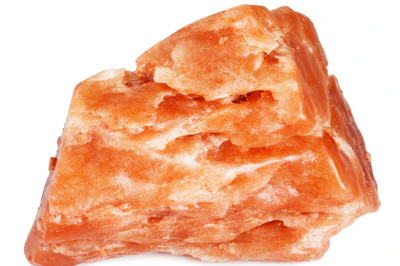
Experts in the rare-earth industry are touting a way to wrest control of the global supply from China, in the form of a specific kind of ore, monazite. According to an article produced jointly by Foreign Policy and IEEE Spectrum, the flagship magazine of the Institute of Electrical and Electronics Engineers, the ore contains huge amounts of valuable rare earths, including neodymium, praseodymium, and dysprosium.
The traditional supply chain for rare earth elements, originating in China, has become so contentious that some analysts are beginning to use the term “mineral war.” But monazite is found in coastal beach sands, riverbanks, and stream sediments, as well as an accessory mineral in igneous and metamorphic bedrock like granite, gneiss, and pegmatites. Deposits can be found in Brazil, India, Australia, South Africa and the U.S., among other locations.
Monazite typically contains radioactive thorium and uranium, which means its handling, storage, and processing are tightly regulated by government agencies. It can be processed only with special techniques and procedures, and the mildly radioactive wastes generated by processing must be stored in isolation indefinitely, the October 15 article says.
All the same, large corporations are investing in monazite mines and processing technologies, including Energy Fuels in the U.S. which operates the country’s only conventional uranium mill, and has developed its own extraction process that produces key heavy rare earths that are otherwise produced almost exclusively in China. The Critical Minerals Institute, is also promoting the creation of a North American supply chain.


