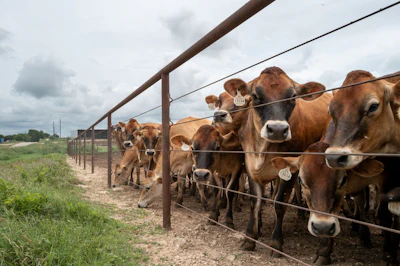
The U.S. is reopening its biggest port for Mexican live cattle shipments, marking a significant step in the Trump administration’s efforts to ease the pressures of a domestic cattle shortage.
The port in Santa Teresa, New Mexico, is the second to reopen, after the U.S. in late 2024 stalled livestock shipments from Mexico in order to prevent the spread of the deadly New World screwworm. It’s far larger than the Arizona plant that resumed operations last month: nearly 500,000 cattle were shipped through the Santa Teresa port in 2024, amounting to about 40% of the U.S.’s total imports from Mexico, according to the U.S. Agriculture Department.
The port is scheduled to reopen on September 24, and agency staff are already preparing on site, Agriculture Secretary Brooke Rollins said in a September 17 press conference.
Mexico used to ship over a million head of cattle each year to be raised in the U.S. and then processed. The lack of that trade has hurt meatpackers, which have closed beef processing facilities over the past year as they struggle to procure enough animals to keep plants running at capacity. The halt also has contributed to record consumer beef prices, which has been a major concern of the Trump administration.
The U.S. aims to resume shipments through more ports. Rollins said the USDA is “looking every day at reopening the Columbus, New Mexico, port,” and has previously said the agency is assessing its Nogales, Arizona, location.
More than 6,000 cattle have entered the Douglas, Arizona, port since the trade resumed at the end of August, according to USDA data.
Plant closures, along with increased live cattle from Mexico and higher ground beef imports — have helped beef processing margins turn positive for the first time since April, according to data from HedgersEdge. President Donald Trump last month said he would allow up to 300,000 tons of ground beef to enter the country under lower tariffs, though the USDA’s forecasts suggest only a portion of that will be filled.
The outlook for the meat industry’s recovery remains precarious, and the country’s largest meatpacker, Tyson Foods, recently cut its annual outlook twice within a month.
Meanwhile, concerns over the screwworm in the U.S. have faded, with only two active cases remaining in Texas. Infestations of the parasite, which can be deadly if left untreated, have totaled less than 50 since its detection in the U.S. in June. Still, there are nearly 2,000 active cases in Mexico. The U.S. has been dispersing sterile male flies, which contain the disease by mating with wild female flies to curb reproduction. The U.S. is looking to build a new dispersal facility in Arizona, and a larger plant to produce those flies in Texas is slated to open in spring 2027.
“We’re not yet at eradication, I want to make sure everyone understands that,” Rollins added. “That may go up a case or two, and may go up a little bit more. But we are so proud of the fact that we only have two active cases in the U.S.”
“All the boxes have been checked. We feel really good about all the protocols that are in place,” Rollins said. “If there is one question and we’re not 100% sure in the safety and the protocols, then we will push it back.”