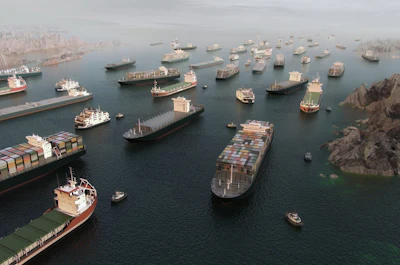
Biologists are sounding the alarm over the potential for an ecological crisis stemming from ships trapped in the Strait of Hormuz.
According to research released by a global coalition of scientists on July 22, more than 1,500 ships that have been anchored in the strait since late February have been accumulating microbial algae, mussels, barnacles and other organisms at levels unprecedented in modern maritime history. Once those vessels are freed, that could trigger a "bioinvasion" across any number of ports, where invasive species attached to hulls could introduce new parasites and diseases, displace native marine life, damage fisheries and coastal infrastructure, and prove nearly impossible to eradicate once they become established.
"The unprecedented scale and duration of this spring and summer mass lay-up of large commercial ships has created ideal conditions for a marine invasive species 'super-spreader' event," the report reads.
Commercial vessels typically avoid spending more than one to three days at any port to limit the growth of biofouling organisms. Comparatively, ships trapped in the strait have remained idle for at least 40 times longer than the average stay, exposing them to ideal conditions for invasive species to colonize their hulls and mature before being carried to vulnerable ecosystems.
The report urges shipping companies and regulators to treat vessels leaving the Strait of Hormuz as high-risk for biofouling, and recommends inspections and hull cleaning before ships resume international voyages. Researchers also called on ports receiving those ships to implement early detection and rapid response efforts, all while staying in constant communication with port authorities, shipping operators and environmental agencies.
"Whether it becomes a global bioinvasion super-spreader event will now depend less on the biofouling communities already present on vessels, than on the speed, coordination, and effectiveness of the responses that follow," the report notes.


