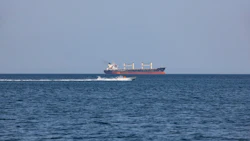
Houthi militias in Yemen have claimed a major advance on the western Red Sea coast, seized Perim Island at the mouth of the waterway in the Bab al-Mandab Strait, a source from Yemen's internationally-recognized government told the BBC. The Houthis are consolidating their grip on the key international shipping route through the Red Sea, which serves not only ship traffic coming to and from the Suez Canal, but has also given Saudi Arabia an alternative route, going south, to export its oil to Asia, avoiding the effectively closed Strait of Hormuz.
Added together, disruptions in the two waterways on either side of the Arabian Peninsula are potentially affecting up to 37% of global seaborne trade.
On September 10, the Iran-backed group captured the strategic port city of Mokha from Saudi-backed pro-government forces, according to military sources. A Yemeni military official told the AFP news agency the Houthis now control the entire coastline of Yemen, which sits on the eastern side of the mouth of the Red Sea.
The Houthis earlier said they posed no threat to international shipping, and that they only planned to target vessels from Saudi Arabia. The New York Times says oil exports from Saudi Arabia, the biggest source of oil in the Middle East, plunged in August to their lowest point in at least 13 years. The BBC reports that the group currently controls much of Yemen, including the capital Sanaa. A truce that had largely held for more than four years effectively collapsed in July.
The Saudi energy ministry said on September 11 that the country's east-west oil pipeline was closed as a "precautionary measure" after the country was "subjected to multiple attacks" on the morning of September 10 in the areas around Riyadh and Medina.
Saudi Crown Prince Mohammed bin Salman, the country's de facto ruler, has been pressuring U.S. President Donald Trump to take military action against the Houthis during their rapid advance, two sources familiar with the matter told CBS News.